Skipping dinner
High-sugar meals before bed
Prediabetes or insulin resistance
✅ Fix: Eat a balanced snack before bed (e.g., apple + peanut butter)
4. Sleep Apnea or Breathing Issues
Obstructive sleep apnea causes breathing pauses that jolt you awake
Often happens more frequently in the second half of the night
May not fully wake you — but lightens sleep enough to notice time
🛑 Signs:
Snoring
Gasping during sleep
Daytime fatigue despite long sleep
🩺 A sleep study can diagnose it — treatment (like CPAP) is highly effective.
5. Bladder Pressure (Nocturia)
As we age, bladder capacity decreases
Hormonal changes (especially in menopause) increase nighttime urination
Drinking fluids late in the evening worsens it
🚻 Tip: Stop drinking liquids 1–2 hours before bed
Avoid alcohol and caffeine after 2 p.m.
6. Liver Qi or Energetic Shifts (Traditional Perspective)
In Traditional Chinese Medicine (TCM), the hours between 1 a.m. and 3 a.m. are linked to the liver, which governs detoxification and emotional processing.
Waking during this time may indicate:
Emotional stagnation
Anger, frustration, or repressed feelings
Overburdened liver (from diet, toxins, or stress)
🌿 While not scientifically proven, many find value in viewing early waking as a signal to address emotional health.
Note: This complements — doesn’t replace — medical evaluation.
❌ Debunking the Myths
❌ “It’s always spiritual awakening”
Not necessarily — physical causes are more common
❌ “Everyone who wakes then has depression”
False — correlation exists, but not causation
❌ “If I don’t get back to sleep, I’ve ruined my health”
Harmful myth — one poor night won’t hurt; chronic insomnia might
❌ “Only older people wake up early”
No — young adults experience it too, especially under stress
✅ What You Can Do to Stay Asleep
✅ Go to bed and wake up at the same time daily
Stabilizes circadian rhythm
✅ Limit screens 1 hour before bed
Boosts melatonin production
✅ Keep bedroom cool, dark, quiet
Optimal for deep sleep
✅ Practice relaxation techniques
Deep breathing, progressive muscle relaxation
✅ Avoid heavy meals and alcohol before bed
Prevents digestive disruption
🧠 Cognitive Behavioral Therapy for Insomnia (CBT-I) is the gold standard treatment — even more effective than sleep meds long-term.
🧘♀️ If You Do Wake Up — Don’t Panic
Instead of checking the clock or grabbing your phone:
Close your eyes
Focus on slow, deep breaths
Repeat a calming phrase: “I am resting, even if I’m awake.”
⏳ Most people fall back asleep within 10–20 minutes when relaxed.
🚫 Never lie in bed stressing about sleep — that trains your brain to associate bed with anxiety.
Final Thoughts
You don’t need to fix everything overnight.
But you do deserve rest.
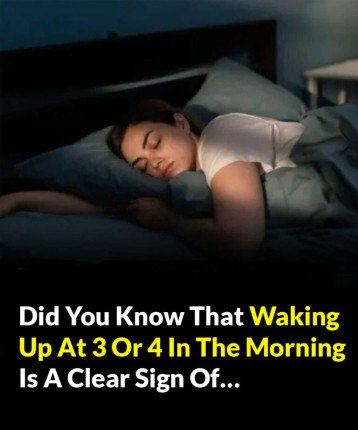
So next time you're staring at the ceiling at 3:30 a.m.…
breathe.
Ask gently:
Am I stressed? Hungry? Thirsty? Holding onto something heavy?
Then respond — kindly, wisely, and without judgment.
Because real peace isn’t about never waking.
It’s about returning — softly, steadily — to stillness.
And that kind of calm?
It grows deeper than any dream ever could.