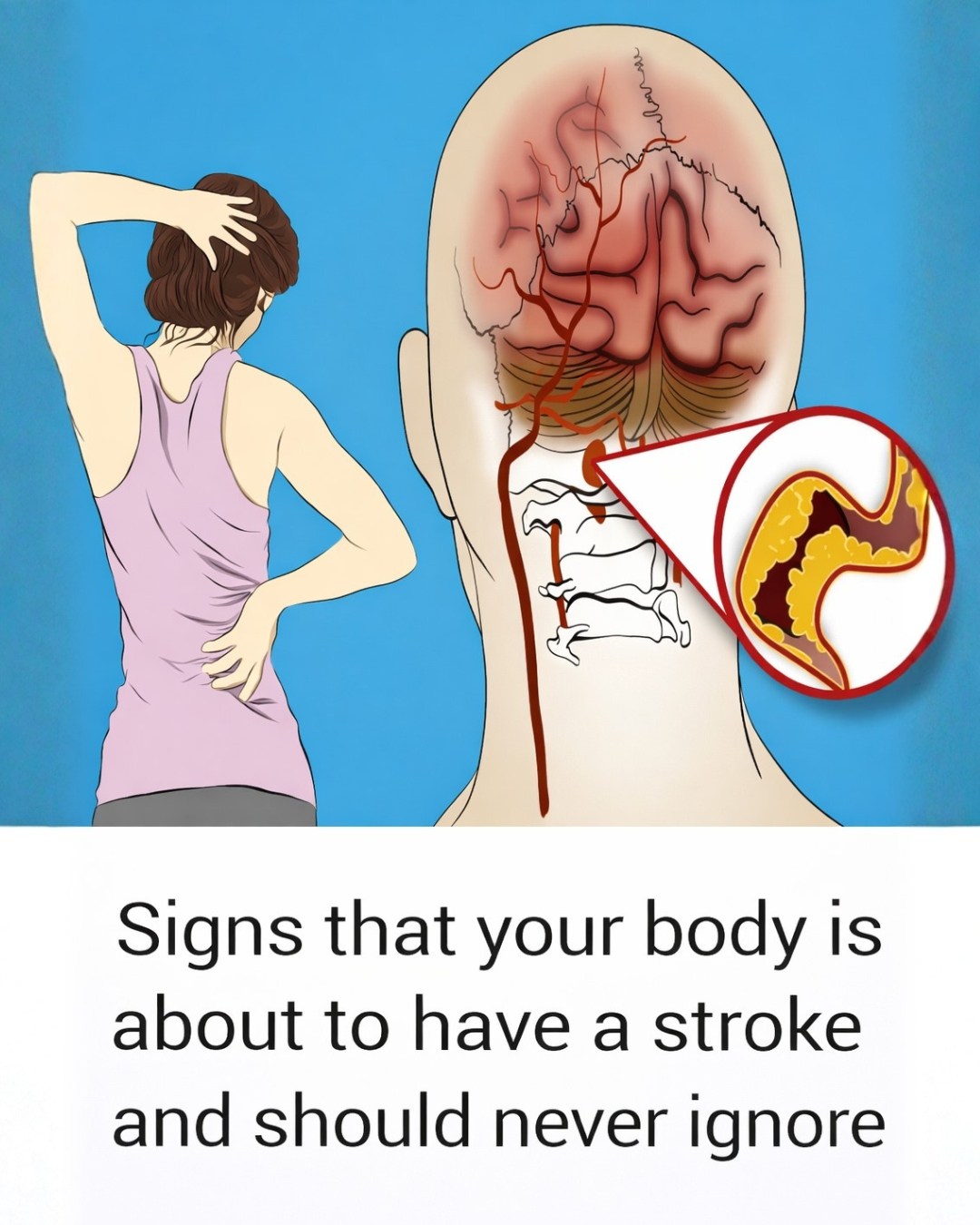
A stroke is a serious medical emergency that happens when blood flow to part of the brain is disrupted — either by a clot (ischemic stroke) or bleeding (hemorrhagic stroke). Quick recognition of warning signs can save brain function, reduce disability, and even save lives.
1. Sudden Weakness or Numbness
One of the most common early signs of a stroke is sudden weakness, numbness, or loss of sensation on one side of the face, arm, or leg. If one side droops unexpectedly, it’s a major red flag.
2. Facial Drooping
Ask someone to smile — if one side of the face appears uneven or droopy, it could be a warning sign of stroke. Even slight asymmetry should be taken seriously.
3. Trouble Speaking or Understanding Speech
Slurred speech, difficulty forming words, or trouble understanding what others are saying are hallmark signs that the brain isn’t functioning normally.
4. Sudden Vision Changes
Sudden blurry vision, double vision, or loss of vision in one or both eyes can indicate the stroke is affecting parts of the brain that control sight.
5. Loss of Balance or Coordination
Dizziness, difficulty walking, lack of coordination, or sudden balance problems are warning signs that blood flow to the brain is compromised.
6. Severe Headache With No Known Cause
A sudden, intense headache — unlike anything you’ve experienced before — could signal a stroke, especially if it comes with other neurological changes.
7. Confusion or Cognitive Changes
If you or someone else suddenly becomes confused, disoriented, or has trouble thinking clearly, it could be an early stroke sign.
8. Difficulty Lifting an Arm or Leg
When asked to raise both arms, if one arm drifts downward or can’t stay lifted, that’s a serious symptom that shouldn’t be ignored.
9. Dizziness or Vertigo
While dizziness isn’t always a stroke symptom, sudden vertigo combined with other warning signs — like imbalance or vision issues — should raise concern.
10. Mini-Stroke Symptoms (TIA)
Sometimes minor stroke-like events occur before a full stroke. These “mini-strokes” or transient ischemic attacks (TIAs) cause temporary symptoms that disappear but are serious warning signs of a future stroke risk.
Remember the FAST RuleA simple way to recognize stroke symptoms quickly is the FAST acronym: