Lamb’s ears typically form slow-moving mats, but they’re definitely not aggressive spreaders. This is a fantastic edging plant with a very unique texture.
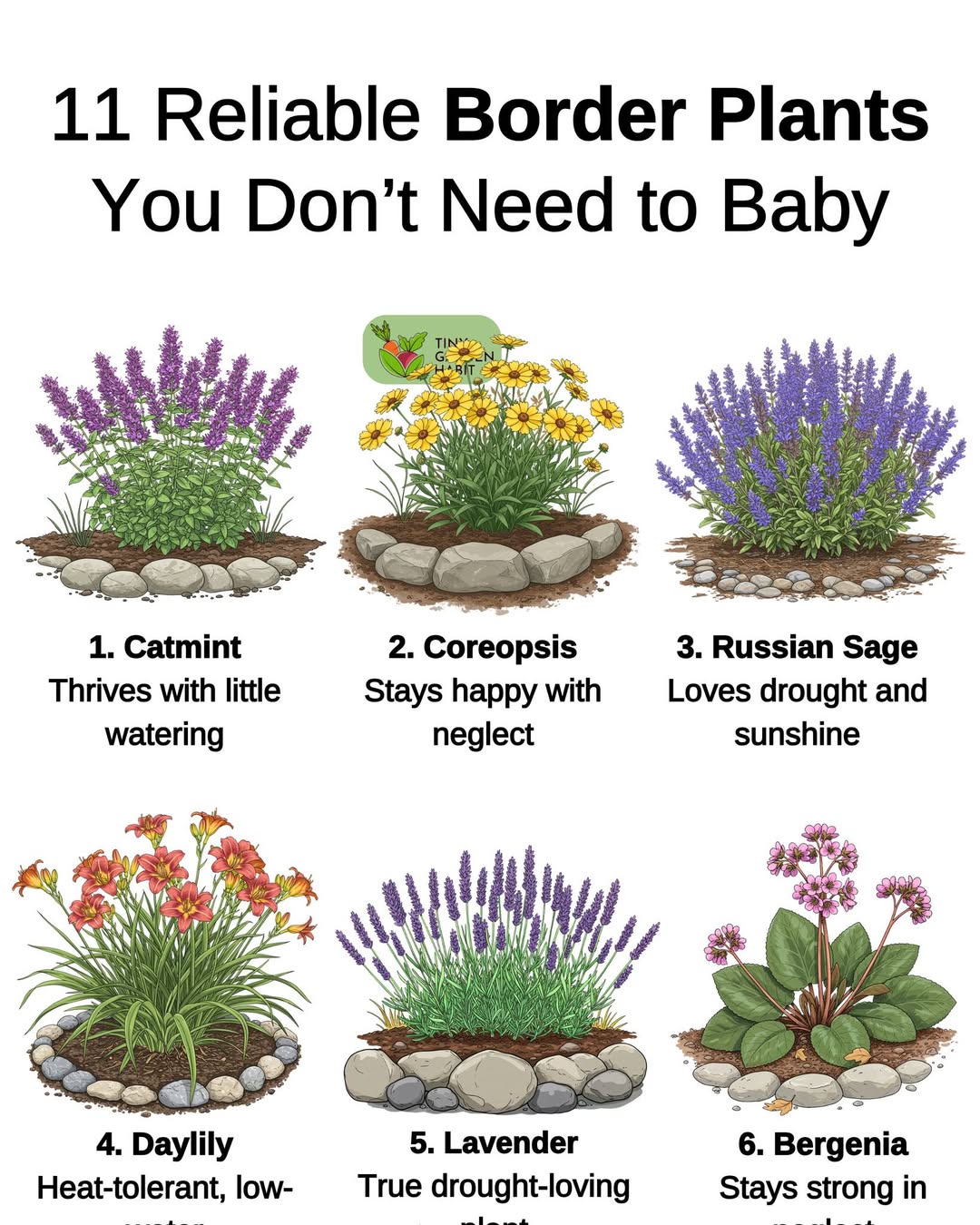
6: Daylily (Hemerocallis Hybrids, Clump-Forming Types)

When it comes to daylilies, choose named varieties that don’t aggressively self-seed. They have very low care requirements and an excellent color range.
7: Lavender (Lavandula Angustifolia)

Lavender, as some of you may already know, is drought-resistant and forms tidy mounds. It doesn’t spread aggressively, making it an excellent choice for borders and pollinators
8: Globe Thistle (Echinops Ritro)

The globe thistle is a clumping, non-invasive plant. It offers a bold texture in the garden, and vibrant, bee-friendly blooms that demand attention. Keep in mind that this plant will only spread by seed if left unmanaged.
9: Yarrow (Achillea Millefolium ‘Terracotta’, ‘Moonshine’)

In the case of yarrows, you want to choose cultivars that have a clumping habit. Avoid any wild yarrow varieties, which can spread aggressively and ruin your garden borders.
10: Blue Fescue (Festuca Glauca)

Blue fescue plants produce evergreen clumps that stay put and don’t spread aggressively. They’re great for edging or creating contrast in the garden.
11: Bergenia (Bergenia Cordifolia)

Bergenia is a broad-leafed, evergreen, and non-invasive plant that produces lovely spring flowers and bold foliage for year-round structure.
Let’s Conclude

I said it before, and I’ll say it again, DO NOT take the word “neglect” literally.
Many people make the mistake of planting low-maintenance plants and completely forgetting about them; that’s just not how it works. Even low-maintenance plants require some care from time to time.
That said, they sure are relatively low-maintenance compared to some of the other plants out there. If you’re always busy or just don’t have the time or energy in your day-to-day life to dedicate to your plants, edging the garden with easy-to-care-for plants is surely the better route for you.