There are some recipes that do more than fill your plate. They fill your heart.
Capirotada is one of those rare dishes. To outsiders, it may look like a simple bread pudding. But for countless Mexican families, it represents faith, tradition, and moments of togetherness that can never be replaced.
Growing up, my grandmother made capirotada every year during Lent. The smell alone—sweet piloncillo syrup simmering with cinnamon and cloves—was enough to pull everyone into the kitchen. It didn’t matter if we had argued, drifted apart, or felt tired from life. When that dish went into the oven, the house softened. Voices lowered. Smiles returned.
This dessert wasn’t just food. It was a reminder of who we were.
What Makes Capirotada So Special?
Capirotada has deep roots in Mexican culture and Catholic tradition. It’s most commonly prepared during Lent, a season centered on reflection, humility, and forgiveness.
Each ingredient carries meaning:
Bread represents the body
Piloncillo syrup symbolizes sweetness and sacrifice
Cinnamon and cloves add warmth and depth
Raisins and peanuts bring texture and balance
Cheese ties everything together, just like family
Every layer tells a story. Every bite carries memory.
Grandma’s Traditional Capirotada Recipe
This is the recipe exactly as it has been passed down in our family—simple, comforting, and full of soul.
Ingredients
Continued on next page:
6 cups water
3 piloncillo cones (or dark brown sugar as a substitute)
3 Mexican cinnamon sticks
3 whole cloves
1 cup raisins
½ cup roasted, salted peanuts
12 thick slices of bolillo or French bread, toasted
2 cups shredded Monterey Jack cheese
How to Make Traditional Capirotada
Step 1: Prepare the Piloncillo Syrup
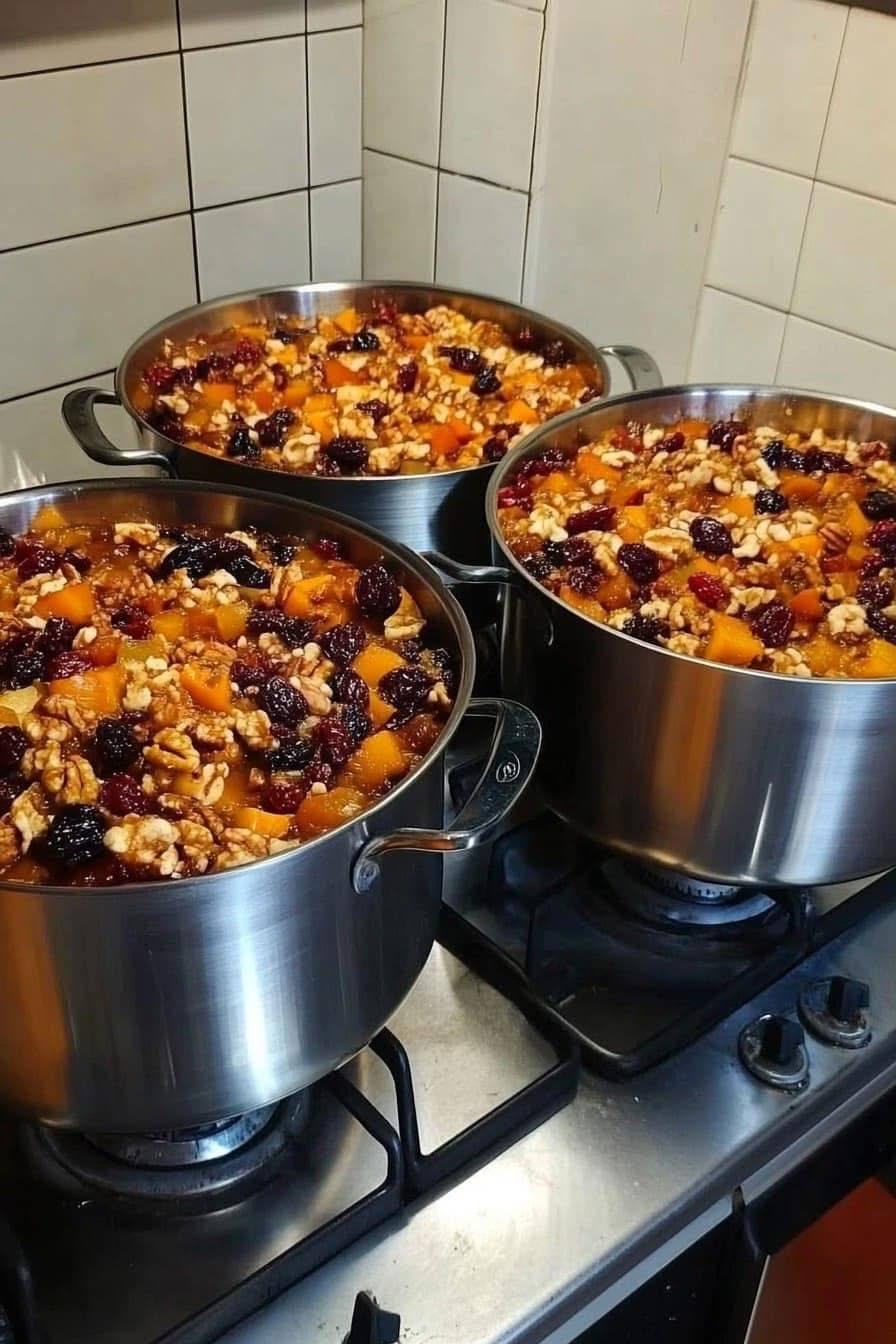
In a large pot, combine the water, piloncillo, cinnamon sticks, and cloves. Bring to a simmer over medium heat, stirring occasionally. Let it cook for 10–15 minutes until the piloncillo dissolves and the syrup thickens slightly. Remove from heat and set aside.
Step 2: Toast the Bread
Preheat the oven to 350°F (175°C). Arrange bread slices on a baking sheet and toast until golden and slightly crisp. This helps the bread absorb the syrup without becoming mushy.
Step 3: Assemble the Layers
Lightly grease a deep baking dish. Start with a layer of toasted bread, followed by raisins, peanuts, and cheese. Repeat the layers until all ingredients are used, finishing with cheese on top.
Step 4: Pour the Syrup
Slowly pour the warm piloncillo syrup over the layered dish, allowing it to soak evenly through all layers.
Step 5: Bake
Bake at 350°F (175°C) for 25–30 minutes, until the cheese is melted and lightly golden. Let rest for a few minutes before serving.
How It Was Meant to Be Served
Capirotada can be enjoyed warm or at room temperature. It’s rich, so small portions are perfect. Some families add a scoop of vanilla ice cream or a drizzle of extra syrup, but it’s just as beautiful on its own.
More Than a Dessert
Continued on next page:
What makes capirotada unforgettable isn’t just the taste—it’s the feeling.
It’s the sound of family gathering in the kitchen.
It’s the quiet conversations over dessert.
It’s the comfort of knowing some traditions survive no matter how much the world changes.
Long after my grandmother was gone, this recipe kept her presence alive. Every time the syrup simmers, it feels like she’s still there—teaching, loving, and reminding us to slow down.
Final Thought
Capirotada isn’t meant to be rushed. It’s meant to be shared.
If you’ve never tried it, this recipe is more than an introduction to a dessert—it’s an invitation into a tradition that has brought families together for generations.
And if you grew up with it, then you already know:
some recipes never fade… they live on through us.
Enjoy your food!