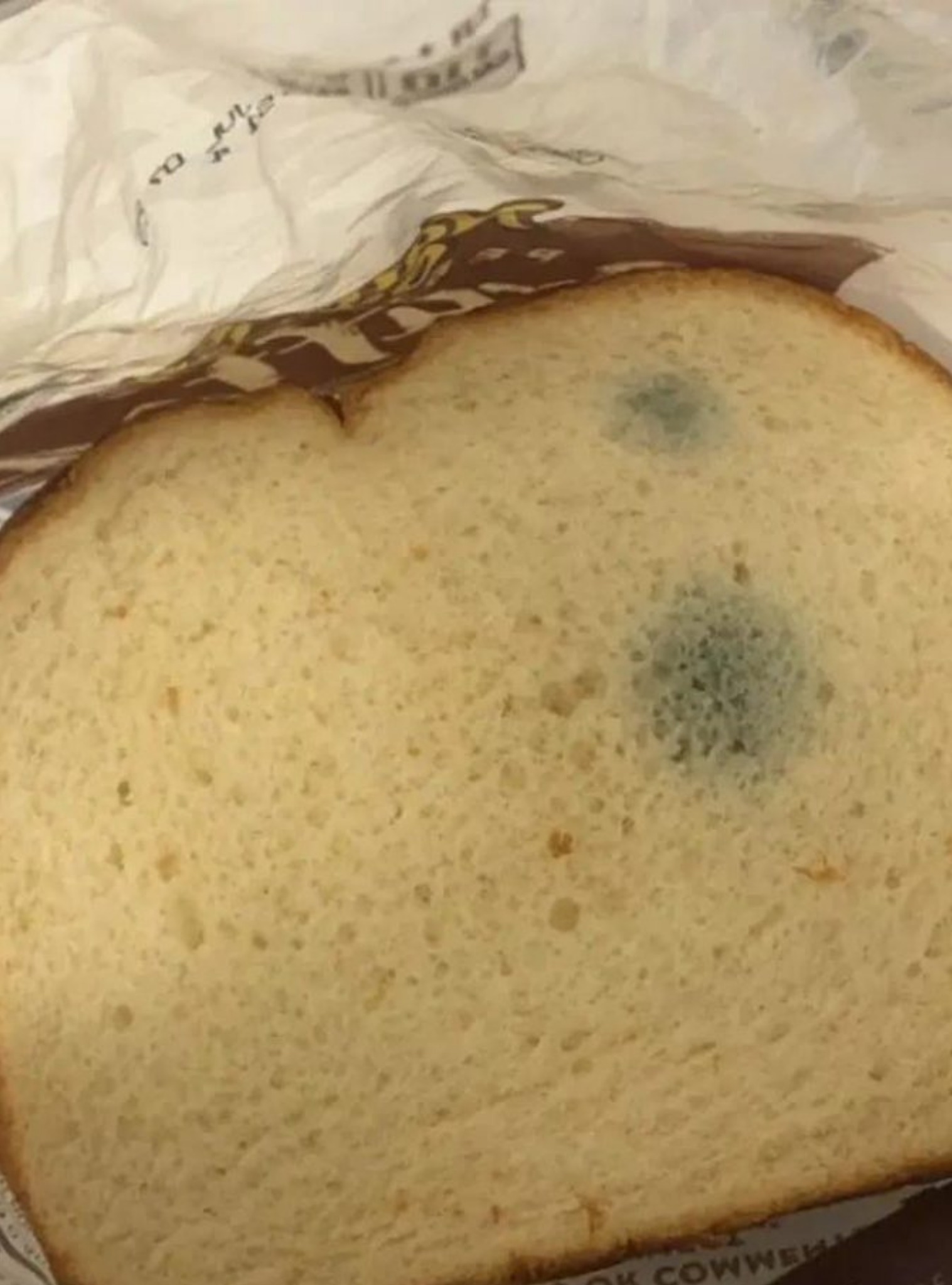
Most of us have faced the same small kitchen dilemma: a loaf of bread sitting on the counter, hardened with time, leaving us wondering whether it’s still edible or destined for the trash. The good news is that stale bread is often perfectly safe to eat—and can even become a valuable ingredient in your kitchen.
When bread turns hard and dry without showing any signs of mold, it hasn’t spoiled. What’s happening is a natural process called retrogradation, in which the starch molecules crystallize and the bread loses moisture. While this change affects texture and freshness, it does not make the bread unsafe. Although it may no longer be ideal for sandwiches, stale bread is still completely edible and often preferred for certain recipes.
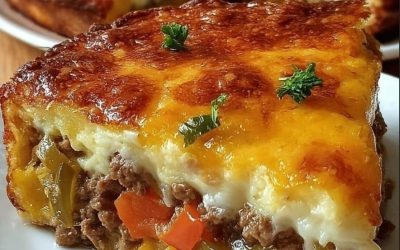
Stale bread is surprisingly easy to revive or repurpose. Toasting restores crunch and brings out flavor, while wrapping the loaf in foil and reheating it briefly in the oven can soften it slightly. Its firm texture makes it especially useful in recipes that require structure. Bread pudding, stuffing, croutons, French toast, and savory casseroles all benefit from bread that can absorb liquid without falling apart.
Think of stale bread as a versatile culinary tool rather than waste. Cubed or torn pieces work beautifully in salads like panzanella, while pulsed crumbs can be used as coatings or toppings. Because it holds its shape, stale bread absorbs broths, sauces, and dressings more effectively than fresh bread, adding texture and depth to both sweet and savory dishes.
Moldy bread, however, is a different story and should never be consumed. If you notice even a small spot of green, black, or white mold, the entire loaf should be discarded. Bread is porous, allowing mold to spread invisibly beneath the surface. Eating moldy bread can expose you to mycotoxins, which may cause allergic reactions or other health concerns.
Proper storage helps prevent spoilage and extends bread’s usability. For short-term storage, keeping bread in a paper bag at room temperature allows it to breathe and slows mold growth. For long-term storage, freezing is the best option, as it preserves freshness without accelerating staleness. Refrigeration should be avoided, as it actually speeds up the staling process.
In short, stale bread is not a problem—it’s an opportunity. While moldy bread should always be thrown away, dry, hardened bread can be transformed into delicious meals and useful ingredients. Knowing the difference helps reduce food waste, saves money, and keeps your kitchen both safe and creative.