🥣 How to Eat Beets for Maximum Benefit
|
Form
|
Pros
|
Best For
|
|---|---|---|
|
Raw (grated in salads)
|
Highest nitrate & enzyme content
|
Digestive health, fresh crunch
|
|
Roasted
|
Concentrated sweetness, caramelized flavor
|
Side dishes, grain bowls
|
|
Juiced
|
Fast nitrate absorption
|
Pre-workout, blood pressure support
|
|
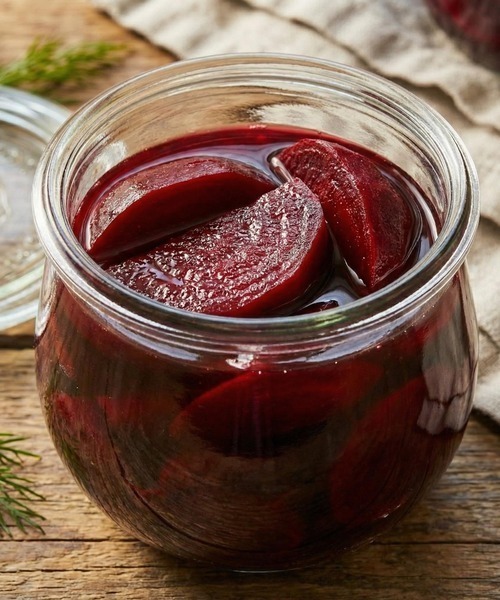
Pickled
|
Probiotics + convenience
|
Gut health, sandwiches, charcuterie
|
|
Powdered (in smoothies)
|
Shelf-stable, concentrated
|
On-the-go nutrition
|
💡 Pro Tip: Pair beets with vitamin C-rich foods (like citrus or bell peppers)—this boosts iron absorption and stabilizes nitrate conversion.
⚠️ Important Considerations
- Beeturia: Harmless pink/red urine or stool after eating beets—occurs in ~10–14% of people due to genetic differences in metabolism.
- Kidney stones: Beets are high in oxalates—those prone to calcium-oxalate stones should moderate intake.
- Blood pressure meds: If you take medication for hypertension, consult your doctor before adding large amounts of beet juice—effects can compound.
❤️ The Bottom Line
Beets aren’t a miracle cure—but they’re a powerful, natural tool for supporting circulation, energy, and long-term vitality. Whether roasted, juiced, or pickled, this ruby-red root is a simple way to add science-backed wellness to your plate.
“Nature’s medicine often comes in the quietest colors—and the deepest roots.”
So roast them, blend them, or sip them. Your heart, brain, and muscles will thank you. 🍠✨