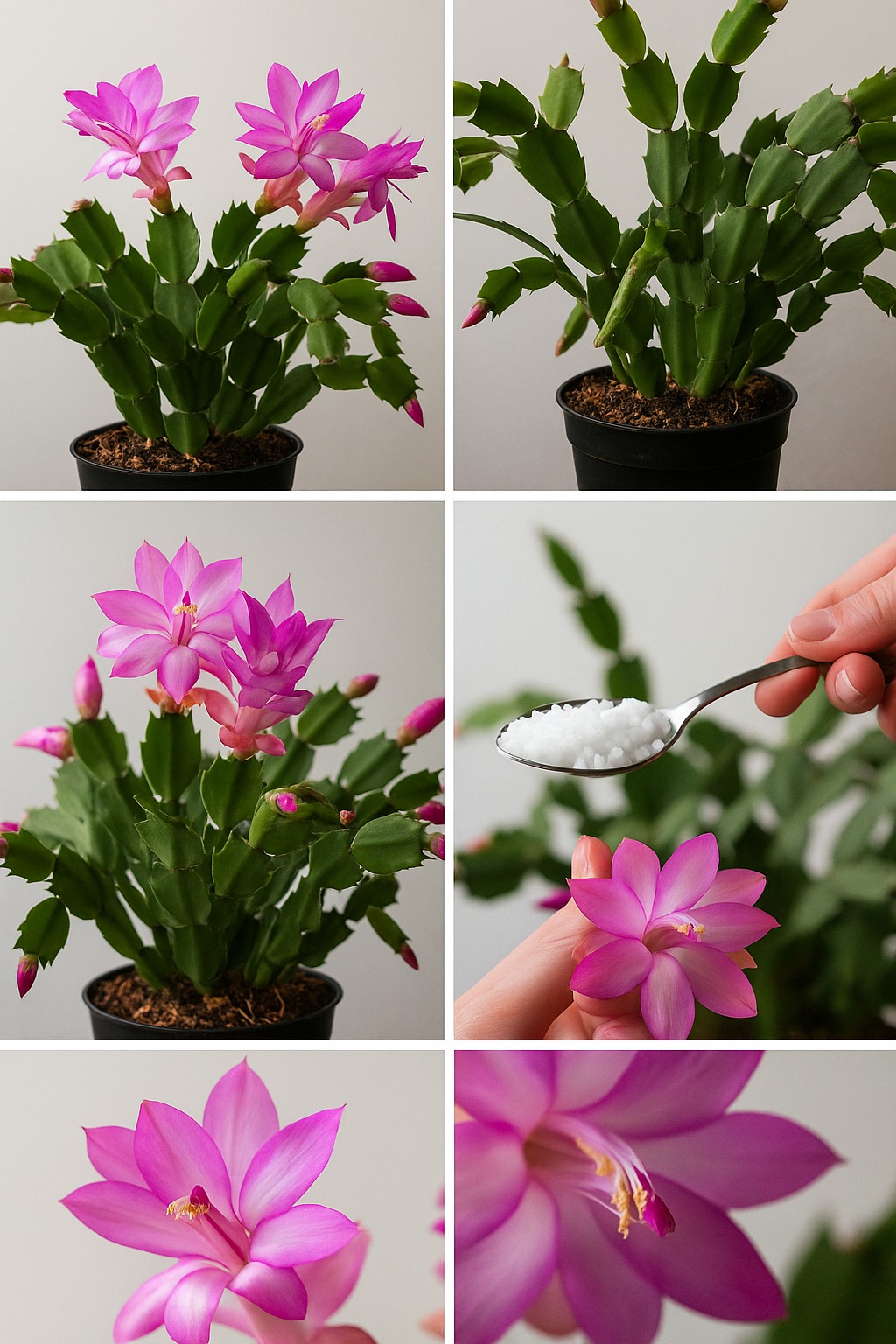
The Christmas cactus (Schlumbergera × buckleyi) is one of the most cherished indoor plants, admired for its unique beauty and ability to bloom during the darkest, coldest months of the year. Its colorful tubular flowers — often in shades of pink, red, purple, or white — bring a cheerful touch to homes right in time for the holiday season. Known for its long lifespan and resilience, this plant can thrive for decades with proper care. However, getting it to bloom at the right time requires some attention to detail and an understanding of its natural rhythm.
When Does a Christmas Cactus Usually Bloom?
Typically, the Christmas cactus flowers between late November and January, aligning perfectly with the winter holidays. In its natural environment — the tropical rainforests of Brazil — this cactus blooms when days are short, nights are long, and temperatures are cool. These conditions can be replicated at home to encourage consistent and timely flowering.
The key factors that influence blooming are light and temperature. When the plant experiences long nights and cooler air, it begins to form buds. Understanding and controlling these environmental cues can help you “train” your cactus to bloom right when you want it to.
How to Make a Christmas Cactus Bloom
If your cactus has stopped blooming or you want to synchronize its flowering with the holidays, don’t worry — you can easily stimulate it to flower again. The process involves adjusting light exposure, temperature, and watering.
Start by ensuring your Christmas cactus experiences at least 12 to 14 hours of uninterrupted darkness every day for about six weeks. This mimics the short winter days of its native habitat. You can achieve this by placing it in a room without artificial light at night or covering it with a dark cloth from evening until morning. Even brief exposure to artificial light during this period can disrupt the plant’s natural cycle and delay flowering.
see continuation on next page