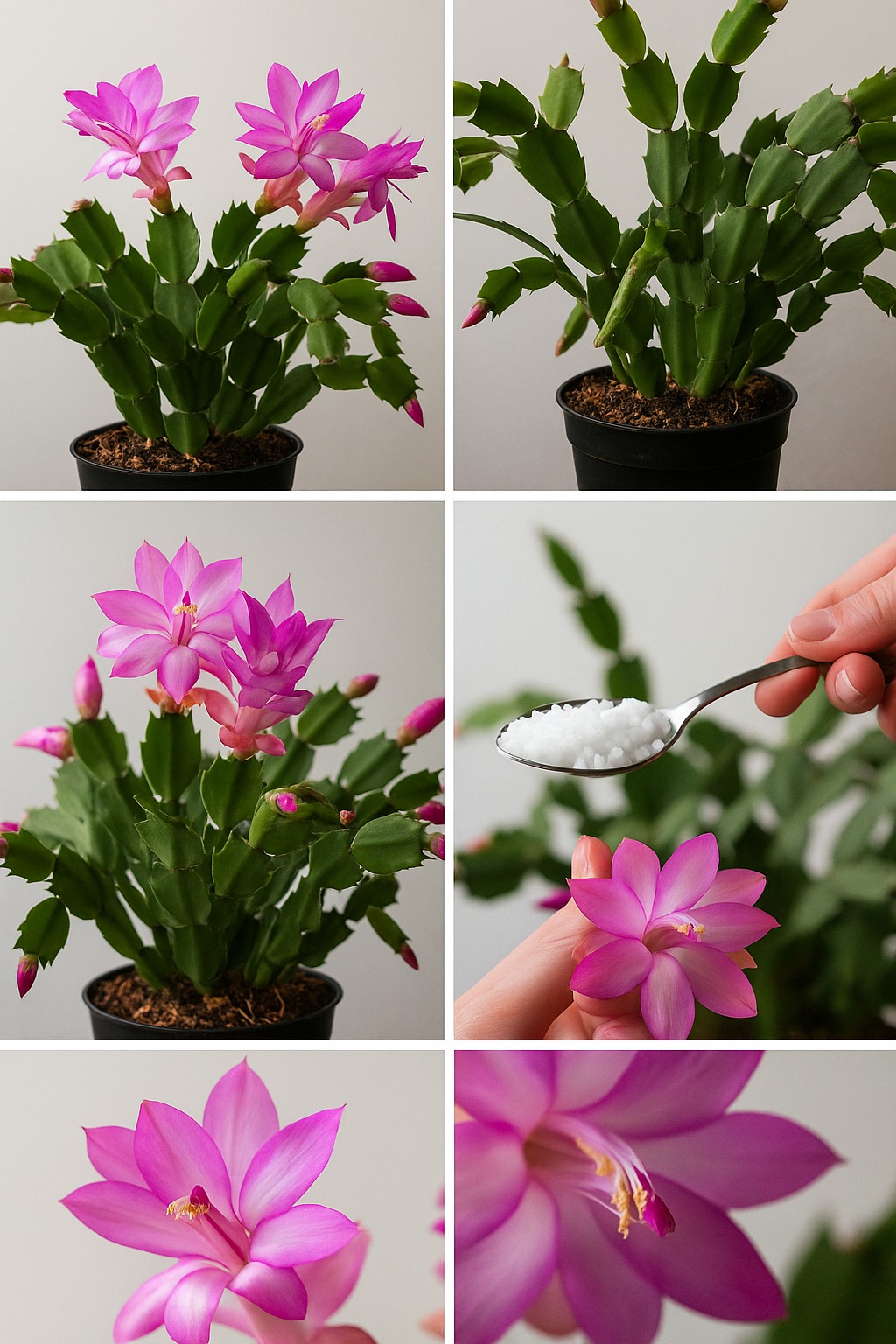
At the same time, keep your cactus in a cool location, ideally between 54°F and 61°F (12°C and 16°C). These cooler temperatures signal the plant to begin bud formation. Avoid placing it near heaters, fireplaces, or radiators — warmth can prevent blooming. A quiet, slightly chilly windowsill or a rarely used room often provides the perfect conditions.
Once buds appear, move the plant to a slightly warmer environment (around 68°F or 20°C) to encourage the buds to open. During this period, increase watering slightly, but only when the soil feels dry to the touch. Be careful not to overwater — Christmas cacti dislike soggy soil, which can lead to root rot.
Five Essential Tips for Caring for Your Christmas Cactus
Caring for your Christmas cactus throughout the year ensures strong growth and reliable flowering during winter. Here are five key tips to follow:
Avoid Overwatering
Water is crucial, but moderation is key. Keep the soil lightly moist, especially during the growing season (spring and summer). Avoid letting the pot sit in standing water. During its resting or blooming periods, water only when the top layer of soil is dry. A fine misting with a spray bottle can help maintain humidity without oversaturating the roots.
Use Rich, Well-Draining Soil
Christmas cacti are epiphytic plants, which means they naturally grow on trees in the wild rather than in dense soil. Recreate these conditions at home by using light, porous, and nutrient-rich soil. A mix of potting soil, compost, and perlite or sand is ideal. Fertile soil encourages vigorous growth and healthy blooms.
Provide Bright but Indirect Light
Despite its name, the Christmas cactus is not a desert cactus — it comes from shady rainforest environments. It thrives in bright, indirect light rather than harsh sunlight. Place it near a window with filtered light, and avoid prolonged exposure to direct rays, which can burn its delicate, flat stems.
Fertilize During the Growing Season
During spring and summer, feed your cactus every two weeks with a balanced fertilizer rich in potassium. This nutrient supports flower formation and strong stems. Stop fertilizing in autumn to allow the plant to rest and prepare for its blooming phase. Once flowers appear, you can resume a lighter feeding schedule to sustain the blooms.
Repot Every Few Years
After two or three seasons of healthy growth, your Christmas cactus will likely need a new home. Repotting helps refresh the soil and gives the roots more space to expand. Choose a pot that’s only slightly larger than the previous one, as too much space can cause excess moisture buildup. Spring is the best time for repotting, after the flowering period has ended.
Bonus Care Tips
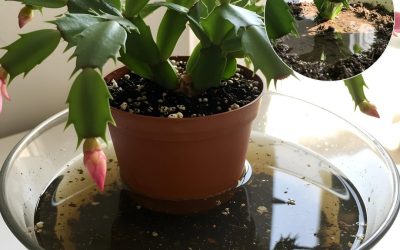
Maintain humidity: These cacti enjoy moderately humid air. You can increase humidity by placing a shallow tray of water and pebbles beneath the pot.
Avoid sudden changes: Moving the plant too often or exposing it to temperature shifts can cause buds to drop before blooming.
Prune lightly after flowering: Trimming the ends of the stems helps stimulate new growth and more abundant flowering the next year.
Final Thoughts
Encouraging your Christmas cactus to bloom is all about mimicking its natural tropical conditions — cool nights, short days, and consistent care. Once you master this cycle, your plant will reward you with magnificent blooms year after year. With patience, attention, and these simple techniques, your Christmas cactus will become a centerpiece of your home during the holiday season — a living symbol of color, joy, and resilience in the heart of winter.