Use a mix of fertilizer and water at about a 1:1000 ratio, and be careful not to make it too strong. Keep feeding the plant until all the flower buds open—this will give you healthier leaves and pretty flowers. Stop fertilizing if the temperature drops below 50℉ (10℃).
3. Temperature Control
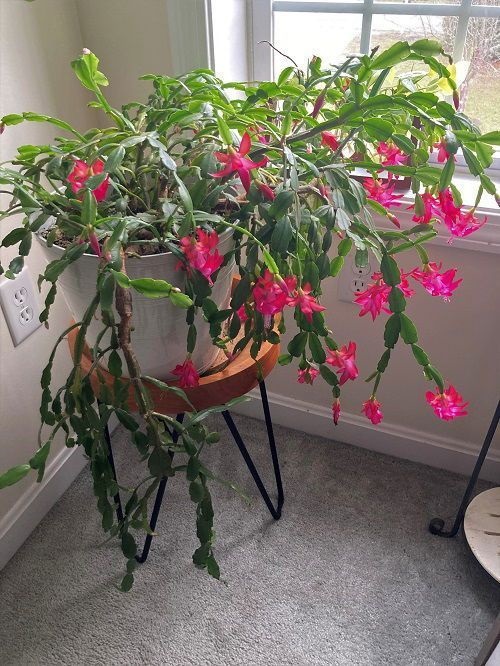
Christmas cactus grows best in temperatures between 59–77℉ (15–25℃). If it gets hotter than 86℉ (30℃), the plant will rest and stop growing. If it gets colder than 41℉ (5℃), the plant may freeze and get damaged. Keeping it in the right temperature range is very important for healthy growth.
This plant usually blooms from November to March. To keep it blooming, try to maintain a steady temperature around 59℉ (15℃). If the temperature drops too low, the plant will need more sunlight. When the temperature is below 50℉ (10℃), place it in a location with sufficient light and fresh air. In autumn and winter, if your home is too cold at night, you can cover the plant with a plastic bag to keep it warm.
4. Pruning
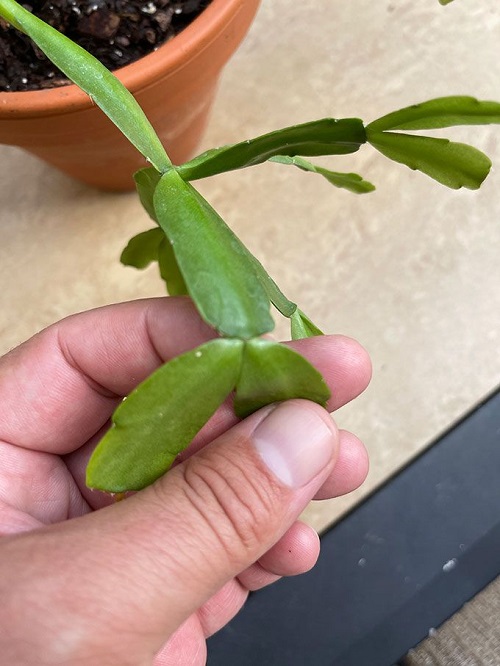
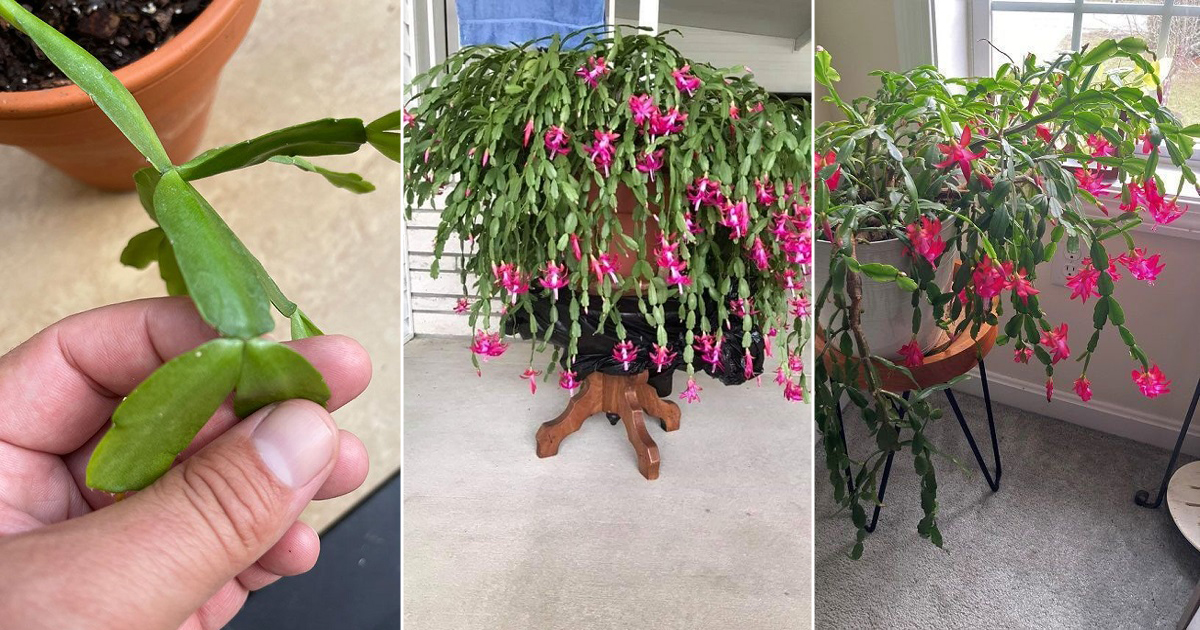
Pruning Christmas cactus leaves is essential when the plant is actively growing. How you prune depends on whether the plant has flower buds. If there are no buds or only a few, remove extra, small, or wilted leaves by pinching them off. This saves energy, allowing the plant to utilize more nutrients for flower growth. After pruning, give the plant enough sunlight and fertilizer to help the buds develop and produce brighter and beautiful blooms.
5. Modify the Watering Schedule
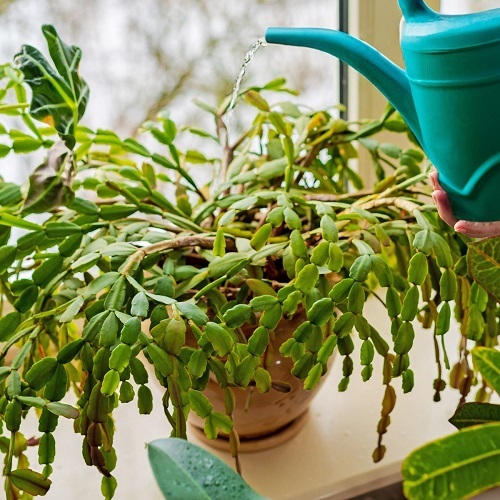
Like other succulents, Christmas cacti should be watered using the “soak and dry” method all year round. But waiting a little longer than usual before watering can actually help. Even if the soil is completely dry, let it stay that way for a few extra days. This slight delay encourages the plant to focus on making flowers and leads to quicker and more abundant blooms.