When the power goes out in cold weather, your home can lose heat quickly—especially at night. But with smart preparation and simple techniques, you can stay warm, safe, and comfortable without electricity. Here’s how.
🌡️ Core Principles of Heat Retention
Heat rises → Focus on warming upper body and core.
Cold air sinks → Seal drafts near floors.
Body heat is precious → Trap it with layers and shared space.
Never risk carbon monoxide or fire → Safety first, always.
🔥 Immediate Actions (First 1–2 Hours)Choose a room with minimal windows and interior walls (e.g., bathroom, closet, or central bedroom).
Bring bedding, water, and supplies.
Body heat multiplies when people huddle together.
🛏️ Overnight Survival Tips
4. Create a “Bed Cocoon”
Sleep in layers: thermal pajamas + socks + hat.
Place hot water bottles (or sealed soda bottles filled with hot tap water) at your core (armpits, groin).
Cover yourself with multiple blankets—add a plastic sheet or emergency blanket on top to trap heat (not next to skin).
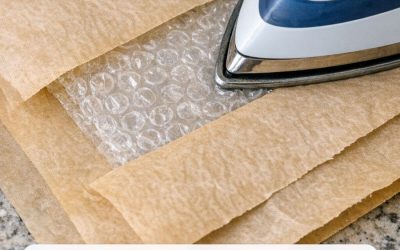
5. Insulate Windows & Doors
Hang heavy curtains, quilts, or cardboard over windows.
Tape plastic sheeting over drafty panes.
Stuff rolled towels along door bottoms.
6. Use Your Oven? NO.
Never use a gas oven, stove, or charcoal grill indoors—carbon monoxide (CO) is odorless and deadly.
Only use outdoor-safe heaters inside if they’re specifically rated for indoor use (e.g., Mr. Heater Buddy with oxygen sensor).
🔋 Safe Heat Sources (If Available)
Source
Safe?
Notes
Propane heater (indoor-rated)
✅ Yes
Must have ODS (oxygen depletion sensor)
Camping stove (butane/propane)
❌ No
Produces CO—only use outdoors
Fireplace or wood stove
✅ Yes
Ensure chimney is clean and damper open
Car exhaust
❌ Never
Deadly CO risk—even in garage
Candles